Life Cycle Assessment vs Product Carbon Footprint: What’s the Difference?
Many companies want to measure their environmental impact but do not always know which tool gives them the right answer. Life Cycle Assessment and Product Carbon Footprint are two options that help teams track impact across the full life of a product. These tools look similar but they do different things. What Life Cycle Assessment covers Life Cycle Assessment tracks how a product affects the environment from start to finish. It begins with raw material extraction and ends with disposal or recycling. The method covers every stage in between. That includes manufacturing along with transportation and product use. The goal is to give a full view of total environmental impact. This includes energy use along with water use and waste generation. Companies use Life Cycle Assessment to find ways to reduce overall harm in areas that go beyond carbon emissions. What Product Carbon Footprint focuses on Product Carbon Footprint only looks at greenhouse gas emissions. It measures how much carbon dioxide along with other gases are released across the life of a product. This includes emissions during production along with transport and use. It also includes the emissions caused when a product is thrown away or recycled. Unlike Life Cycle Assessment it does not track water use or other impacts. Product Carbon Footprint helps teams report carbon emissions and find ways to reduce them. Where the difference begins Life Cycle Assessment is a wide lens. Product Carbon Footprint is a zoomed-in view. One looks at all environmental effects. The other looks only at climate effects. That means they serve different goals. If you want to improve the product design across many areas then Life Cycle Assessment will give you the data you need. If you only want to meet a carbon target or get a label then Product Carbon Footprint is the better choice. How standards make these tools work Both methods follow global standards. Life Cycle Assessment is based on ISO 14040 along with ISO 14044. These standards help define how environmental data is collected and reviewed. Product Carbon Footprint follows ISO 14067. That standard is built to measure greenhouse gas emissions across product life cycles. Using the correct standard gives structure to your reporting and makes results easier to understand. Standards also help other teams review your work without needing extra explanation. Why data is the first step Both tools depend on strong data. You need to gather facts about materials along with transport and use patterns. You also need to know how the product is handled at the end of its life. That could mean disposal or recycling or something else. This information often comes from suppliers along with internal records. The more accurate the data the more useful the results. If the data is not complete then the results will not support the team in making better decisions. How Life Cycle Assessment supports product planning Product teams use Life Cycle Assessment to see where environmental impact is highest. That could be in the material choices or the production method. Sometimes a change in packaging can cut waste or reduce energy use. The goal is to help teams act before the product goes to market. This method supports design and sourcing decisions by showing which parts of the product do the most harm. It can also help in comparing product options before making large purchases. Where Product Carbon Footprint helps the most Product Carbon Footprint is useful for teams working on carbon goals. That might include internal targets or external disclosures. It can also support product claims like low-carbon or carbon-neutral. When a business wants to track only emissions this method gives a clear and focused view. Teams can see which stage of the product life causes the most emissions. That makes it easier to focus reduction efforts where they will matter most. Why both methods can work together Some companies use both tools. You can begin with a Product Carbon Footprint to meet an urgent carbon reporting need. Then you can expand into a full Life Cycle Assessment to improve design or sourcing for the next version of the product. The two methods do not compete. They solve different problems. They can also support each other when used in sequence. Product Carbon Footprint tells you where carbon is high. Life Cycle Assessment tells you how that carbon fits into the full environmental impact. When to start the process The best time to start an environmental assessment is early. That could be during product design or supply chain planning. Waiting until the product is already on the market limits your ability to make changes. These tools work best when they are part of normal product development. When they are built into the process teams can act on the results instead of just filing them away. The earlier the work begins the more value it brings. What teams need to stay on track Environmental assessment is not just a task for one team. It needs input from product teams along with procurement and operations. The data sits across many systems. Without clear roles and ownership the work can slow down or lose direction. Teams need to know why the data matters and how it supports business goals. When they understand the purpose they are more likely to provide what is needed on time and with the right level of detail. Why clarity in reporting matters The output from both tools should be easy to read and apply. A product manager should be able to look at the results and know what to fix. A supplier should be able to understand what kind of data is expected from them. Clear reporting builds trust across departments and keeps projects on track. If the report is too complex or technical it may not be used at all. The goal is to support action not just analysis. How to decide which tool fits your goal Choosing between Life Cycle Assessment and Product Carbon Footprint depends on what problem you are trying
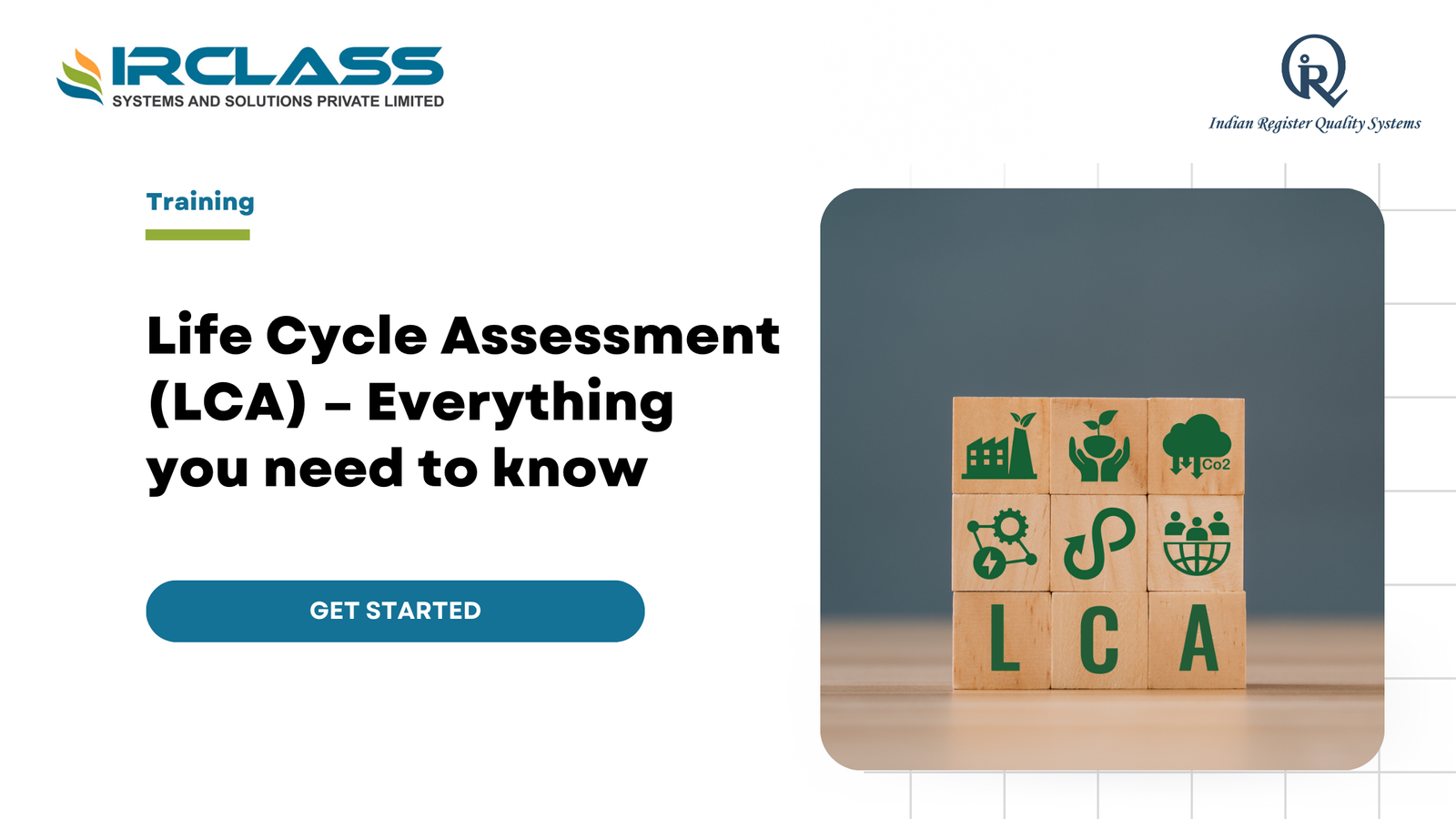
What is a Life Cycle Assessment Course and Why Should You Take It?
What is a Life Cycle Assessment Course and Why Should You Take It? In the current generation, both companies and people are shifting their attitudes to begin implementing environmentally friendly activities. The approach that is more effective than other methods in the assessment of consequences and identification of possibilities to minimize them is known as Life Cycle Assessment. If you are an engineer who dreams of working for sustainable development or any other person who wants to learn more about sustainability, then taking an LCA course is a complete game changer. This blog post will explain what a Life Cycle Assessment course is, its content, and why you should take this course. What does LCA stand for? According to the concept, LCA refers to the comprehensive process of data acquisition, simulation, evaluation, and documentation of information relating to the environmental impact of a certain product, process, or service until the end of its life. This includes everything from: LCA helps an organization quantify the impact at different points and, therefore, determine how the effects could be reduced. For example, if you use your mind to conceive a picture of a plastic bottle, what do you get? LCA looks at the extraction of the raw materials used to make the bottle, the transportation of the bottle to stores and homes, use by consumers, and its disposal. With this knowledge, the business community will be in a better position to minimize wastage and, therefore, minimize pollution. Life Cycle Assessment Course – What is it? An LCA Course is one that is intended to disseminate information on the concept, strategy, and methods used in an LCA among the participants. The course introduces the ISO standards for LCA, primarily ISO 14040:2006 and ISO 14044:2006, which provide guidelines on how to undertake the assessments. Among the LCA training offered is a two-day training conducted by Indian Register Quality Systems (IRQS). The flow of the course is designed in a way that ensures participants feel they are aware of the LCA process at every stage. What Does the Course Cover? The IRQS Life Cycle Assessment course is comprehensive and includes the following key topics: Participants learn the basics of LCA and the significance of ISO standards (ISO 14040:2006 and ISO 14044:2006). The concept of this section is to allow participants to know why LCA is useful and how it can be used in various fields. This step involves defining the purpose and the range of the LCA study in a project. For example, is the LCA being done with the objective of finding strategies to reduce greenhouse gas emissions, reduce waste, or improve energy utilization? It also enables a study to focus on what it aims to achieve in its execution processes and plans. Participants are provided with knowledge on how to collect and classify data on the inputs and outputs of a product or process. This includes energy use data, inputs, emissions, and outputs of materials. In this phase, an effort is made to quantify the impacts of the environmental effects identified in the inventory stage. For instance, how does a product contribute to climate change, use up resources, or contaminate water? This is a process of creating a level of understanding of how the participants are going to make sense of the results from the LCA. It also entails being in a position to explain the results in a manner that is easy to comprehend and in a form that will be use to the stakeholders or decision makers. In this course, some of the widely used LCA tools, such as OpenLCA, are also illustrated. They assist in the computation of impacts, organization of data, and report presentation, thus creating a practical learning experience for participants. Who Should Take an LCA Course? An LCA course is relevant for any profession and industry. It is especially helpful for: From a professional to a student, an LCA course is useful as it facilitates contributions toward sustainable development goals. Why Should You Take an LCA Course? As highlighted below, there are many benefits to taking a Life Cycle Assessment course for yourself, your organization, and the other organizations with which you transact business. LCA makes you look at products and processes in a systems-based manner. It replaces thinking in terms of impact within one phase of the product or manufacture with impacts occurring from input to output throughout the life cycle of the product. This broader understanding helps make better decisions. LCA courses are theoretical but also contain practical aspects. You will learn about the assessment process, LCA tools, and result analysis, which are useful for practical activities. LCA promotes sustainable development goals, especially those set by the United Nations. With LCA expertise, you can help reduce waste, lower emissions, and utilize available resources more efficiently. It is beneficial to have an LCA background because you can provide suggestions to organisations that would like to make better sustainable decisions. For instance you may propose that a firm should adopt the use of green material, improve on energy utilization or redesign an object to reduce wastage. As governments and industries increase their demands regarding environmental issues, LCA knowledge ensures compliance and helps anticipate future trends. LCA competencies are in great demand because more organizations are prioritizing sustainability. Completing an LCA course provides a strong foundation for a career in production, consulting, or policymaking. Why Choose IRQS for Your LCA Training? Indian Register Quality Systems (IRQS) is a well known training and certification provider for ISO standards. Their Life Cycle Assessment training program stands out because: Conclusion Life Cycle Assessment is one of the most important tools for everyone who wants to make their lifestyle more sustainable and eco friendly. After completing an LCA course, you will learn how to assess and reduce the negative impacts of products, processes and services. If you have made it this far, check out the IRQS Life Cycle Assessment Training Program. Everything you need to know about LCA to become a professional